
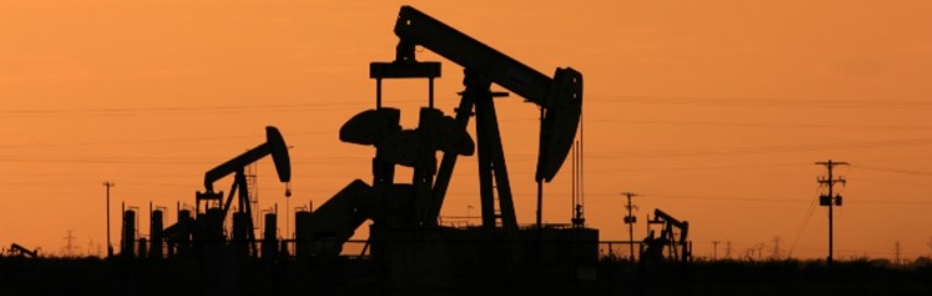
In the early part of the previous decade, the global oil and gas industry saw a paradigm shift. Before this period, US oil production had been on decline, falling from around 6 million bpd in the early 1980s to 5 million bpd in 2008. In a world with increasing demand from emerging economies such as mainland China, industry players were exploring for new resources, including in deepwater and Arctic regions.
With this as a backdrop, the rapid rise of US tight oil proved a blessing. This relatively new resource was affordable and could ramp up production rapidly, and soon small public and private companies invested billions of US dollars into this rapidly deve[EO1] loping technology. The impact on production was immediate, and by 2018 US oil production had more than doubled to 11 million bpd. US oil output growth then returned after the pandemic, and this year production is expected to reach almost 13.5 million bpd. The growth in US tight oil has not only added cheap energy for consumers, but has also altered the geopolitical landscape, reducing the country’s dependence on barrels from the Middle East.
Over the last two years, however, the tight oil industry has changed significantly. The transformation started with pressure on operators from shareholders looking for an increased slice of profits, and since last year there has been a wave of consolidation within the industry. As a consequence, less money is being invested in new wells, which means tight oil production growth is slowing – at the current pace, total US production could potentially peak within the five next years.
Offshore – and the deepwater sector in particular – was heavily affected by the growth of tight oil in the last decade. Total upstream offshore investments fell from $340 billion in 2014 to $140 billion in 2021, following which they began to rise again. The combination of high oil prices, improved economics for offshore project and lower tight oil growth were the key drivers for this development. Rystad Energy estimates total offshore investments will reach almost $250 billion next year, meaning the offshore sector will most likely be the source that will drive the growth in oil production for the rest of this decade.