
THE government has set December 31, as the deadline for completing a strategy to accelerate domestic oil and natural gas exploration, in a move aimed at expanding opportunities for Tanzanians to participate in the sector and strengthen the country’s technical capacity.
Energy Minister Juma Homera said the strategy should be finalised urgently to enable local investors and other stakeholders, particularly Tanzanians, to participate in exploration activities and benefit from the country’s petroleum resources.
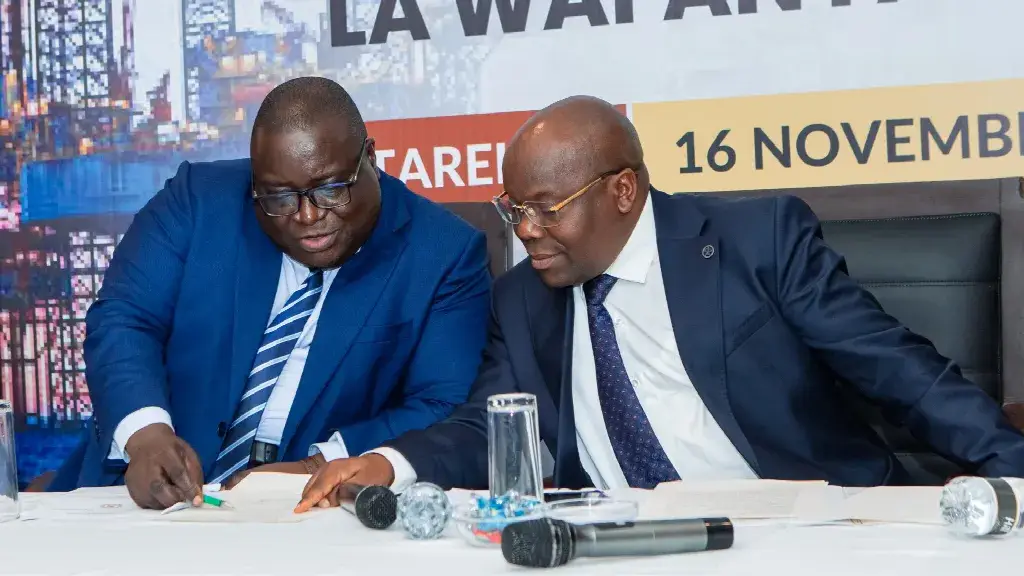
Speaking yesterday during the opening of the Petroleum Upstream Regulatory Authority (PURA) Workers’ Council meeting in Dar es Salaam today, he said the government wanted to ensure that the next phase of exploration created wider economic opportunities for citizens.
He said the directive was to complete the strategy by the end of December, stressing that greater domestic participation was necessary to strengthen Tanzania’s capacity to manage and develop its oil and gas resources.
Homera also called for stronger collaboration between PURA, the Ministry of Energy and other institutions to advance the country’s petroleum agenda, including the transition towards cleaner energy and efforts to reduce greenhouse gas emissions.
He said Tanzania needed to balance the development of its natural resources with environmental protection, noting that the global shift towards cleaner energy should take into account the circumstances and development needs of individual countries.
The minister further highlighted opportunities for the oil and gas industry to participate in carbon markets through initiatives such as carbon capture and storage, which could help reduce emissions associated with petroleum operations.
He said the government was supporting capacity-building programmes to equip local experts with the knowledge required to regulate emissions and provide technical advice on emerging technologies.
Homera commended PURA for its contribution to the development of the upstream petroleum sector, particularly its technical advice that had supported the issuance of four exploration licences in collaboration with the Tanzania Petroleum Development Corporation.
He also cited the authority’s contribution to expanding local participation, saying its activities had generated approximately 350 jobs for Tanzanians and facilitated local procurement contracts worth about 20bn/-.
The minister urged the authority to sustain these efforts, saying the development of the petroleum industry should translate into tangible opportunities for citizens and businesses.
He also addressed concerns over funding for staff training, assuring employees that the Ministry would continue working with PURA to mobilise resources for professional development.
However, he cautioned that public institutions needed to ensure that employees who received Government-funded training applied their acquired skills for the benefit of the country before moving to the private sector.
He said investment in professional development should produce lasting benefits for national institutions, particularly as Tanzania prepares to undertake more complex petroleum projects.
Commissioner for Electricity and Renewable Energy at the Ministry of Energy Innocent Luoga said the authority had made progress in implementing resolutions from previous Workers’ Council meetings, including preparations for preliminary oil and gas exploration studies.
He said reliable geological information was essential for establishing the potential of exploration areas, reducing uncertainty and attracting investment, urging PURA to maintain the momentum while safeguarding national interests.
PURA director general Charles Sangweni said cooperation between the authority, the Ministry and other institutions remained important in strengthening regulation and advancing petroleum exploration.
He said the authority had also recorded progress in increasing Tanzanian participation, with more than 10 local companies securing contracts linked to drilling campaigns and approximately 320 Tanzanians obtaining short- and long-term employment opportunities.
Eng Sangweni, however, identified challenges in applying foreign currency regulations to petroleum operations, which often depend on specialised equipment, services and capital sourced internationally.
He appealed for continued government engagement to address regulatory difficulties that could affect the implementation of exploration activities.
He further called for sustained investment in professional development, improved working conditions and stronger cooperation between management and employees to enhance institutional performance.
Source: ippmedia.co.tz