
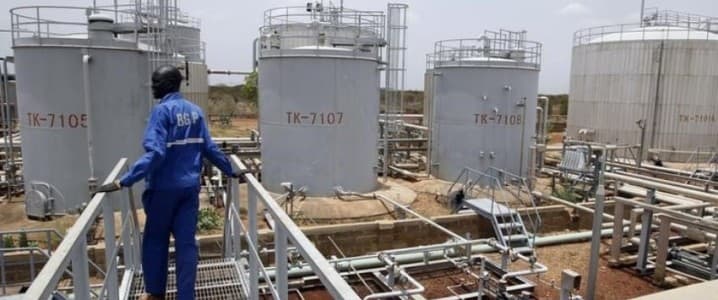
South Sudan has moved troops into Sudan’s Heglig oil field under what it calls a tripartite agreement with Sudan’s two warring factions. The move is a rare arrangement aimed at shielding critical oil infrastructure as fighting escalates across West Kordofan.
South Sudan’s army chief of staff, Paul Nang, appeared in a video address from Heglig, saying South Sudanese forces entered the field following an agreement between President Salva Kiir, Sudanese Armed Forces leader Abdelfattah El Burhan, and Rapid Support Forces commander Mohamed Hamdan Dagalo. Under the deal, both Sudanese factions are to withdraw from the area, allowing South Sudanese troops to secure oil installations and prevent sabotage.
Nang said the deployment is strictly limited to protecting infrastructure and that South Sudanese forces will not take part in military operations inside Sudan. The objective, he said, is to “completely neutralise” the oil field as a combat zone, even as battles intensify elsewhere in the region.
Heglig matters far more to Juba than to Khartoum. The field hosts a central processing facility capable of handling about 130,000 barrels per day of South Sudanese crude, which is exported via pipelines running through Sudan to Port Sudan. South Sudan resumed oil exports through Sudan in January after a near year-long suspension.
While Sudanese economists say the loss of Heglig has limited impact on Sudan’s finances, South Sudan has far less room for disruption.
Production at Heglig has already fallen sharply, from about 65,000 barrels per day to roughly 20,000 since fighting between the SAF and RSF erupted in April 2023. The outlook darkened further this week when China National Petroleum Corporation confirmed it had withdrawn from Sudan after three decades, citing deteriorating security in West Kordofan.