
Germany may be getting cold feet about ending its oil reserve waiver.
Berlin said this week it is considering extending a temporary reduction in national oil stockpiling requirements beyond the current August 31 deadline, even as markets celebrate the U.S.-Iran agreement and the expected reopening of the Strait of Hormuz.
Officially, Germany insists there are no physical shortages. That’s true.
But governments generally don’t keep discussing emergency measures when they’re completely comfortable with the situation.
Germany joined the International Energy Agency’s emergency response in March, helping release a record 400 million barrels from strategic reserves after the Iran war triggered the largest oil supply disruption in modern history. Germany’s share amounted to roughly 19.5 million barrels.
Only a fraction of that was actually offered directly to the market. Most of Germany’s reserves remain intact.
Still, the fact that officials are debating an extension means that Europe’s energy security concerns didn’t disappear the moment Washington and Tehran signed a memorandum of understanding.
The market appears increasingly convinced that oil is about to come flooding back.
Brent crude has fallen below $80 per barrel as traders unwind war-risk premiums and bet on a rapid recovery in Middle Eastern supply.
It’s worth noting that the Strait of Hormuz isn’t fully operational yet. Shipping companies remain cautious. Insurers remain cautious. And millions of barrels per day of shut-in production across the Gulf won’t return overnight.
Germany has learned the hard way that energy disruptions are often less about the availability of oil than the ability to move it where it’s needed.
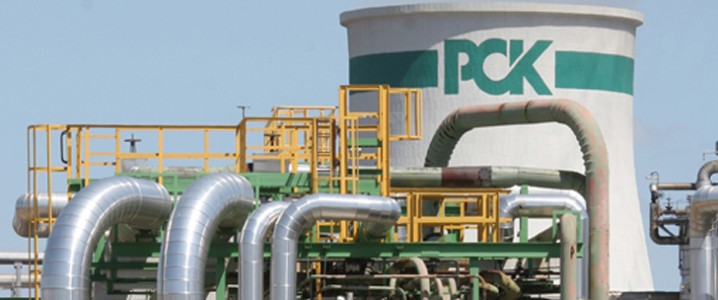
The country spent much of the past several years scrambling to adapt after losing Russian supply routes, rerouting crude imports, and finding alternatives for refineries that had long depended on pipelines running through Russia. Earlier this year, Berlin was once again searching for alternative routes after disruptions threatened crude deliveries to the Schwedt refinery.
Oil traders may be pricing a return to normal, but Germany appears to be preparing for the possibility that normal may take a little longer to arrive.