
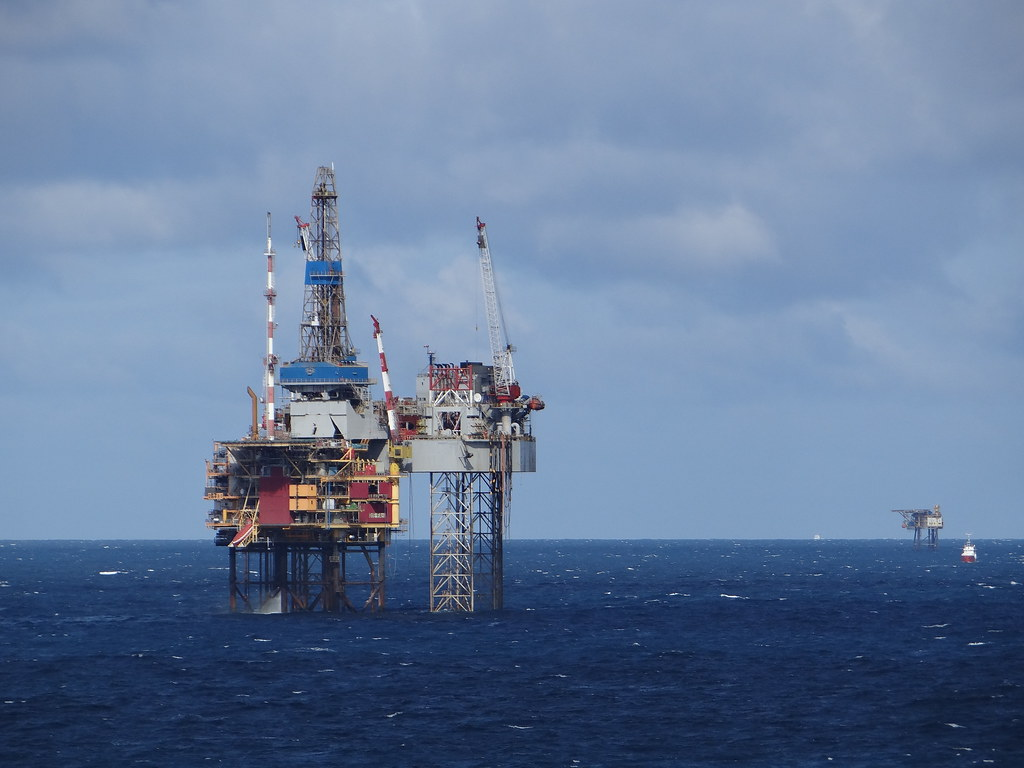
Andy Burnham is expected to announce an expansion of North Sea oil and gas drilling in the early weeks of his premiership. Whilst the plans are not yet concrete and the announcement date is not certain, senior members of the party, including deputy leader Lucy Powell, have given confirmation that there will be a greater emphasis on North Sea oil and gas. Burnham begins his tenure in a tricky position, making clear his plans to abide by Labour’s 2024 manifesto — a manifesto which committed to not issuing new drilling licences. So how does this drilling expansion fit into these measures? Technically Burnham is not looking to break the manifesto pledges. The two concerned sites, Rosebank and Jackdaw, are already licensed sites for oil and gas exploration, with a decision currently being considered for approving gas and oil production at these sites. Furthermore, there are existing sites which have gained approval for drilling in recent years which have not yet been developed so the option exists for Burnham to concentrate on these fields.
What does this mean for Labour in the long term? From Burnham’s plan to tackle energy price hikes head on, his plans to nationalise energy and water companies and his commitments to kickstart a new council house building program, it is clear that Burnham aims to steady the country economically.
Thinking ahead to the next general election in 2029, if carried through, this plan potentially alters Labour’s voter demographic and steers UK politics closer to the right. Anti-environmental policies are likely to alienate some left-wing voters who are increasingly being attracted to Zack Polanski’s Green Party.
Much of the criticism Starmer faced for opposing the issue of new drilling licences came from the right, specifically the Conservatives and Reform UK who support new oil and gas licenses. This begs the question: is this Burnham’s attempt to persuade working class voters back to Labour and away from the looming threat of Reform UK? Politically, this could be a shrewd move from Burnham to resolve the concerns of ex-Labour voters whilst Nigel Farage is distracted by his journey to re-election against Count Binface in Clacton-on-Sea.
Yet the potential measures have already created a sense of dissatisfaction from some Labour MPs. Most notably, former Secretary of State for Energy Security and Net Zero and former Labour Leader Ed Miliband. In recent days, Miliband has spoken out against more oil and gas drilling, previously calling the license given to the Rosebank site “climate vandalism”. Burnham cannot appease everyone on the political spectrum but time will tell if his efforts to tackle the economic issues the country faces have the desired effect upon potential voters and critics of the move.
However, critics have argued that Burnham, who is looking towards immediate wins for bill payers and securing faith in the party until the end of the election cycle, is ignoring the long-term environmental damage perpetuated by oil and gas drilling.
The target of Net Zero by 2050 is enshrined in UK law so cannot be ignored by politicians, yet without any affirmative action it is doubtful this target will be reached. The Green Party in particular points out the environmental necessity to stop opening up fossil fuel projects if anything is to be done about the climate crisis.
The 2024 Labour manifesto set out a number of environmental promises including the establishment of Great British Energy, clean power by 2030 and nature restoration. Two years on from these promises, it is unclear where the country is heading environmentally. The independent Climate Change Committee stated in its annual report to Parliament that the UK government is simply not moving quickly enough in its reduction of greenhouse gas emissions which places the UK’s climate targets at extreme risk. Only this year, the UK has had its longest dry spell in 30 years for some areas with heatwaves now occurring on a regular basis.The Met Office have warned that extreme heat in summer is the new normal, making the government’s lack of urgency towards the climate crisis is both myopic and hubristic.
These first few decisions will be crucial for Burnham. As an unelected Prime Minister who has been outside of Westminster since 2017, any mistakes he makes will go down in history. For the sake of the country and the climate, we can only hope the decisions he makes are the right ones.