
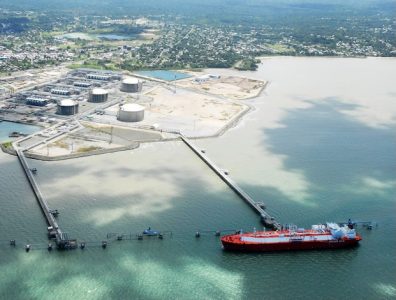
Atlantic LNG in Trinidad and Tobago will begin decommissioning one of its four liquefaction trains in Q4 2026 due to a shortage of feed gas, Reuters reported on Tuesday.
Train 1, which has not produced LNG in more than one year, will be taken out of service while the remaining three trains remain in operation, said Atlantic LNG director of capital projects Michael Daniel. Shareholders Shell, BP, and the National Gas Company of Trinidad and Tobago agreed to retire the liquefaction train because it is the facility’s least efficient unit.
Gas producers in Trinidad and Tobago have been under pressure from the government to expand output and address shortages that have been hampering the country’s LNG and petrochemicals production.
Although not producing, Train 1 has remained operational because it houses the power systems and utilities shared by all of Atlantic LNG’s liquefaction units. Atlantic LNG will segregate and reroute utilities to maintain other trains in operation during the decommissioning, and plans to upgrade control systems and electrical infrastructure in the process.
“Train 1 is one of the early LNG plants built in the world and will serve as a global benchmark on how we decommission future LNG plants,” Daniel said.
Atlantic LNG is an important asset within BP’s and Shell’s LNG business. The companies also own equity in Trains 2, 3 and 4 at the facility, amounting to a total of approximately 5.5 million tonnes per year of liquefaction capacity in each company’s portfolio. Both companies supply feed gas to the facility and receive tolling revenues from the project.