
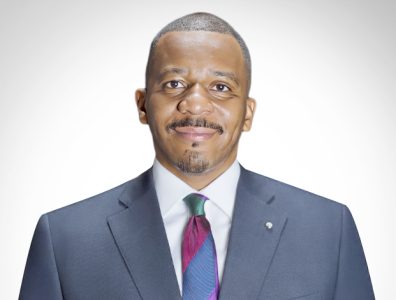
Anderson Fernandes, managing director of Engigest, talks to The Energy Year about opportunities for digitalisation outside the upstream oil and gas sector and investing in collaborations and partnerships to further Angola’s engineering and industrial capabilities.
Engigest is a provider of EPC, digitalisation, engineering, supply chain and IT management services.
- Engigest is applying in-house digital twin and scan-to-BIM capabilities to reduce the cost of asset inspection, maintenance and modification, with opportunities extending from upstream and downstream oil and gas into mining, transportation, aviation, construction and infrastructure.
- Building internationally competitive Angolan engineering capabilities requires investment in technology, technical personnel and knowledge transfer alongside local-content policies, with Engigest using partnerships and a planned R&D and engineering hub in Cabinda to strengthen the wider domestic ecosystem.
- Engigest sees regional growth opportunities for its engineering and digitalisation expertise across Equatorial Guinea’s brownfield assets, Mozambique’s expanding gas infrastructure and Namibia’s emerging greenfield oil and gas sector.
How is Engigest leveraging its digitalisation capabilities?
We are the first Angolan 100% local company with digitalisation services in-house, focused on capturing images of assets and creating digital twins. We initially developed digitalisation capabilities to serve oil and gas customers, but the opportunity is much wider. The technology is reshaping the engineering world, and it is where we have built real capabilities.
The process starts with making 3D models of assets and placing them in a digital world, creating a digital visualisation of the whole platform or facility. The digital twin allows companies to analyse and check data before sending a team physically to the asset. The client can visualise the whole asset to identify performance gaps or elements that need repairs. Instead of sending teams to verify the situation, the digital twin allows them to decide what needs to be done remotely, saving on the total cost of maintenance or modifications.
We are the only local company with the equipment and capabilities for this work. We are covering assets on Block 0 and Block 14 for Chevron, and are in discussions with other IOCs for other locations.
What capabilities are you leveraging to capture more IOC business?
To do this type of work, the first thing you need is technology and sophisticated equipment, which we already have in Luanda and Cabinda. This allows us to respond locally without having to depend on suppliers outside Angola.
The second element is the team. We have qualified staff and a strong knowledge-transfer process through our partners. We hire engineering graduates from Angolan universities, as well as professionals with experience in different sectors – a road construction surveyor, for example – whom we train for oil and gas laser scanning, surveying, mapping and data processing.
In addition, we involve local companies for ancillary work, such as topography, and we send some equipment for calibration and certification to them. By working together, we help disseminate know-how and create opportunities for smaller companies to participate, furthering the local ecosystem in the process.
We should not look at the Angolan ecosystem as an arena for competition, but as a source of partnerships. Regulators are pushing for greater local participation in oil and gas through a framework that includes an exclusivity regime that reserves certain activities for local companies, but we encourage local companies not to become comfortable in the exclusivity regime.
The opportunities under the exclusivity regime are not very technical and will not prepare us to compete against international companies in know-how and technology. To do that, companies have to invest in people and technology. It is costly, and it requires perseverance, but it is what will allow local firms to join the big game.
What applications are you exploring for your technology outside the oil and gas upstream?
We are seeing interest from downstream companies. Several were importing digitalisation services because they did not know we had the technology in-house in Angola. Outside of oil and gas, the applications are very pragmatic. The transportation, aviation, construction, mining and infrastructure sectors can all use digitalisation. Because of Angola’s colonial past, legacy documentation is not available for many buildings and structures, and we can scan-to-BIM [building information model] to recreate their dimensions and architecture digitally for analysis and modification. This helps to save costs and assists decisions.
The opportunity is huge across different sectors, but mining is particularly interesting because the sector has both infrastructure and mapping needs. By deploying drones equipped with scanning technology, we can cover above-ground infrastructure and also support scanning below the earth.
Partnerships are very important for growth and diversification. We hire locally and operate locally, but we scout partnerships globally. Many international companies have technology that can be applied in Angola, but they lack information to access the market, so we participate in international fairs and enter into agreements to showcase their technology in domestic projects.
Angola is still developing, but the market is dynamic. It requires investment and R&D, so we have to be aggressive and open-minded about new technologies. To this end, we are establishing a knowledge hub in Malembo, Cabinda. We already have the facilities, and we are in discussions with technical partners and academic institutions to create a public-private R&D and engineering hub where young people can learn from seasoned engineers, including retirees with 40 or 50 years of experience.
Where do you see opportunities for regional growth for Engigest?
Equatorial Guinea is very close to our region and has mature brownfield projects, and we have received requests from there for our engineering technology. Mozambique is a market with growing demand for gas infrastructure, and several Angolan operators have already established a presence there.
Namibia is also very important, as it is a fresh market with greenfield projects. The relationship between Angola and Namibia is almost a brotherhood, and there is a strong willingness among Namibian and Angolan companies to work together. Namibian authorities come to Angola regularly seeking assistance and partnerships because they recognise Angola’s experience in oil and gas. There is an opportunity for deep collaboration, and the time to pursue it is now. We are studying the legislation and engaging in high-level discussions with local companies to help Namibia make the most of its huge oil discoveries.
source: Angola’s cross-sector digitalisation opportunity – Anderson FERNANDES – The Energy Year