
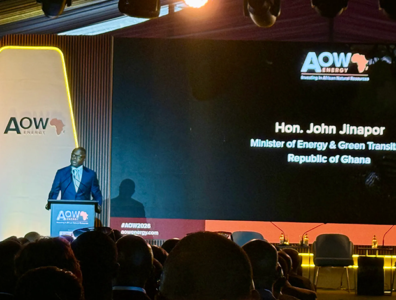
Ghanaian Energy Minister John Abdulai Jinapor used his Africa Oil Week opening address to set out reforms to Ghana’s petroleum fiscal and regulatory regime, aimed at reviving upstream investment. The measures are now before Cabinet and, once approved, will be sent to Parliament, with the government targeting passage before the end of 2026, Jinapor said.
The changes include cutting GNPC’s initial carried interest from 15% to 10%, extending petroleum agreement tenure from 25 to 30 years, replacing the traditional signature bonus with a one-time payment tied to a post-discovery declaration of commerciality, and extending the tax loss carry-forward period from five to ten years. On the carried-interest cut, Jinapor said: “I’ve always argued that I’m better off having 10% of 1 billion than 15% of 1000”.
Jinapor pointed to previously announced frameworks with Eni (USD 1.5 billion) and Tullow and other partners (USD 2 billion) as early results of the push, and said Ghana had saved around USD 500 million in a year by shifting thermal power plants from liquid fuel to gas. He also cited the turnaround of the Tema Oil Refinery (TOR), which resumed processing domestic crude “in less than two years” after the previous plan had been to sell it off.
Chief of staff Julius Debrah, addressing the same session on behalf of president Mahama, said Ghana was “streamlining the regulatory and fiscal frameworks to give investors greater certainty” as part of a wider economic recovery programme. He cited 6% GDP growth in 2025 and inflation falling from 23.8% at the end of 2024 to 4.6% in July 2026, adding: “These gains matter because a credible investment environment begins with a stable economy.”
source: theenergyyear.com