
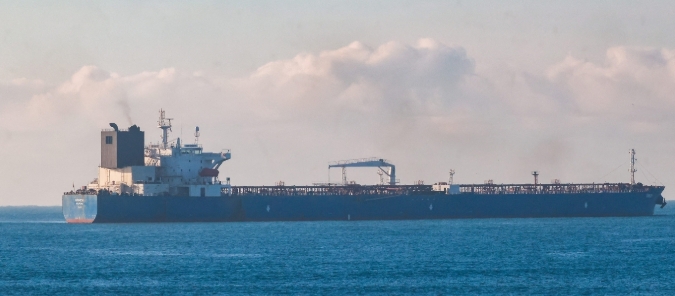
Tunisia has reportedly resumed receiving Russian petroleum deliveries through the Port of La Skhira, marking a renewed flow of Russian oil products after the country gradually reduced imports of Russian diesel during 2025.
According to the report, vessels associated with Russia’s shadow fleet have returned to the Tunisian energy port. The shadow fleet generally refers to tankers used to transport Russian oil and petroleum products through complex ownership structures, changing vessel registrations, or other arrangements that may reduce the visibility of cargo movements.
The renewed deliveries suggest that Tunisia may be re-establishing commercial links with Russian petroleum suppliers without making a major public announcement. The development is significant because Tunisia depends on imported energy products and may be seeking additional supply sources to support domestic fuel demand and energy security.
The Port of La Skhira is an important petroleum and energy logistics hub in Tunisia. Its reported return as a destination for Russian-linked tankers could indicate a broader adjustment in Mediterranean oil-trade routes as Russian suppliers continue to redirect exports toward markets outside traditional European destinations.
The report appears to focus mainly on refined petroleum products, particularly diesel, rather than new crude-oil production or an upstream exploration project. Therefore, the story is primarily relevant to the downstream, oil-trading, shipping, and petroleum-logistics sectors.
The resumption of deliveries may also reflect the continuing influence of Russian oil in international energy markets despite changes in global trade patterns and restrictions affecting Russian energy exports. It demonstrates how oil suppliers and importing countries continue to adapt shipping routes, trading relationships, and supply arrangements to maintain access to petroleum products.