
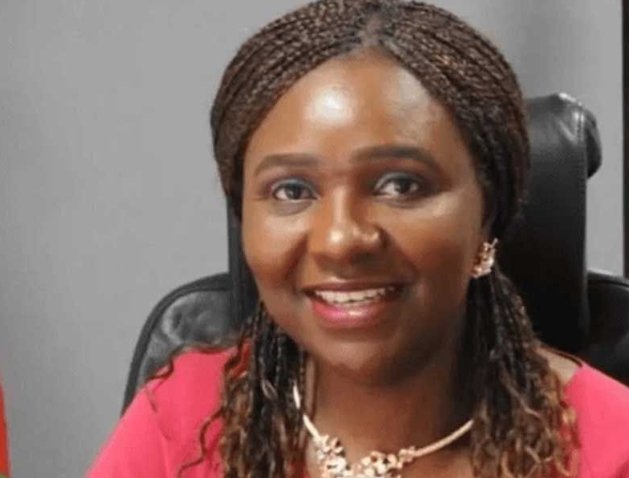
The Chief Executive of the Nigerian Upstream Petroleum Regulatory Commission (NUPRC), Mrs. Oritsemeyiwa Eyesan, has urged African countries to adopt a unified regulatory framework to unlock large-scale investment in the continent’s oil and gas sector.
Eyesan made the call in a keynote address at the Nigerian International Energy Summit (NIES), held at the International Conference Centre (ICC), Abuja, on Monday, February 2, 2026.
She said fragmented and inconsistent regulatory regimes across African countries have continued to discourage cross-border energy investments, stressing that a single regulatory voice would reduce risks and accelerate project development.
The NUPRC boss emphasised the need to strengthen the African Petroleum Regulators’ Forum (AFRIPERF) as a platform for harmonising energy regulations, improving predictability and fast-tracking execution of regional oil and gas projects.
According to her, AFRIPERF, established by petroleum regulators across the continent, is already advancing aligned standards, shared data platforms, capacity building and a common African position on global energy and climate platforms.
Eyesan highlighted Africa’s vast endowments, noting that the continent holds about eight per cent of global oil and gas reserves, nearly 30 per cent of known critical mineral resources and a population of over 1.5 billion people, largely youthful and economically active.
She said coordinated policies, integrated infrastructure and aligned regulatory frameworks would help translate these advantages into industrialisation, stronger regional value chains, improved energy security and inclusive economic growth.
Reaffirming the relevance of oil and gas to Africa’s development, Eyesan said the resources remain vital for electricity generation, clean cooking, petrochemicals, fertiliser production and public revenues, even as the continent pursues a just and orderly energy transition.
She also pointed to Africa’s success in presenting a united front at global climate platforms, including successive COP meetings, where coordinated advocacy secured recognition of the continent’s development needs and the role of gas as a transition fuel, as well as the establishment of the Loss and Damage Fund at COP27.
Eyesan cited the African Continental Free Trade Area (AfCFTA), regional power pools and cross-border gas projects such as the West African Gas Pipeline as evidence that policy alignment accelerates development and expands access to affordable energy.
However, she lamented that more than 180 trillion cubic feet of discovered natural gas across Africa remains unsanctioned for development due to fragmented markets and unaligned fiscal and regulatory regimes.
She said Nigeria has taken deliberate steps to lead by example through the Petroleum Industry Act (PIA) 2021, transparent licensing rounds and major gas infrastructure projects, including the Ajaokuta–Kaduna–Kano (AKK) pipeline, the Nigeria–Morocco Gas Pipeline and the revived Trans-Saharan Gas Pipeline.
Eyesan added that the Africa Energy Bank, headquartered in Nigeria, is mobilising African capital for African energy projects to bridge financing gaps created by the withdrawal of some global financiers.
She urged African regulators and policymakers to deepen cooperation by strengthening AFRIPERF, expanding regional gas and electricity networks, adopting shared sustainability standards and maintaining a unified African stance in global energy and climate engagements.
According to her, “Investors are not deterred by Africa’s geology; they are deterred by inconsistent rules.”
“When these advantages are developed through coordinated policies, integrated infrastructure and aligned regulatory frameworks, they can drive industrialisation, strengthen regional value chains, enhance energy security and deliver inclusive growth.”
“Our voice must be one, our frameworks aligned, and our actions coordinated. Only then can we unlock the full transformative power of Africa’s resources for our people.”